
What are some great books on African-American history?
Jun 30,2025 | Mission-Driven Black Americance
African-American history is essential to understanding the United States—its struggles, triumphs, and ongoing journey toward justice. Whether you're a student, educator, or curious reader, these books provide deep insights into the Black experience in America. Below is a curated list of must-read books on African-American history, covering slavery, civil rights, culture, and modern movements.
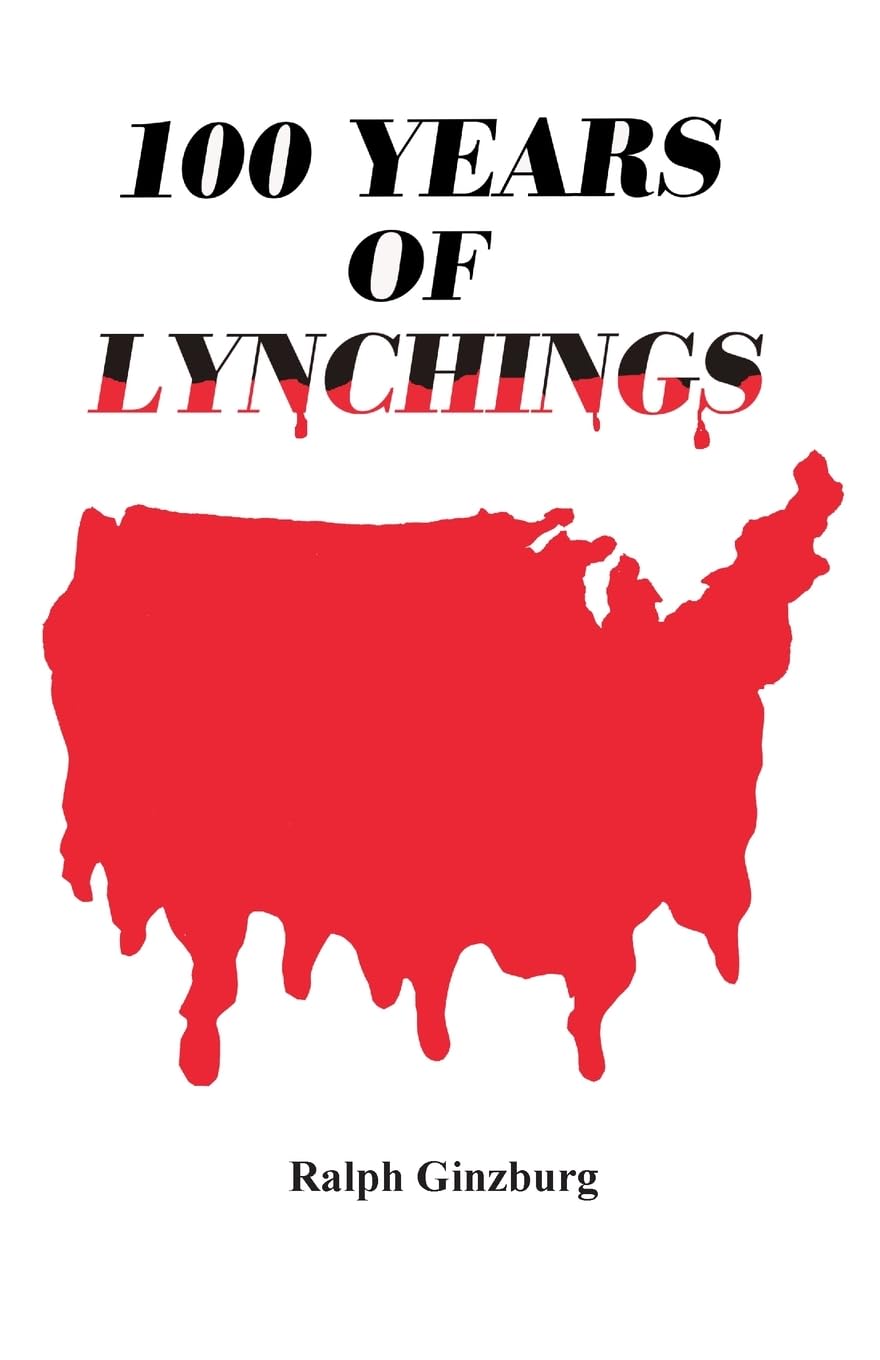
1. Ralph Ginzburg, 100 Years of Lynchings. When I was about nine, I was helping to move our small town library and I came across this book. At that age I knew what lynching was, but had no idea that it had anything to do with race. I had always read about it in The Lone Ranger or other Western stories, where it usually happened to a white bad guy who was caught in a town with no court or sheriff. This was my first meeting with the reality, culled directly from the newspaper reports of the time. A sample, that I still remember after 34 years: "Due to the large number of people who wanted to lynch the nigger, it was decided to do away with him first and then bring him to the Cannidy house dead. First they cut off his penis. He was made to eat it. Then they cut off his testicles and made him eat them and say he liked it." Florida, 1934.
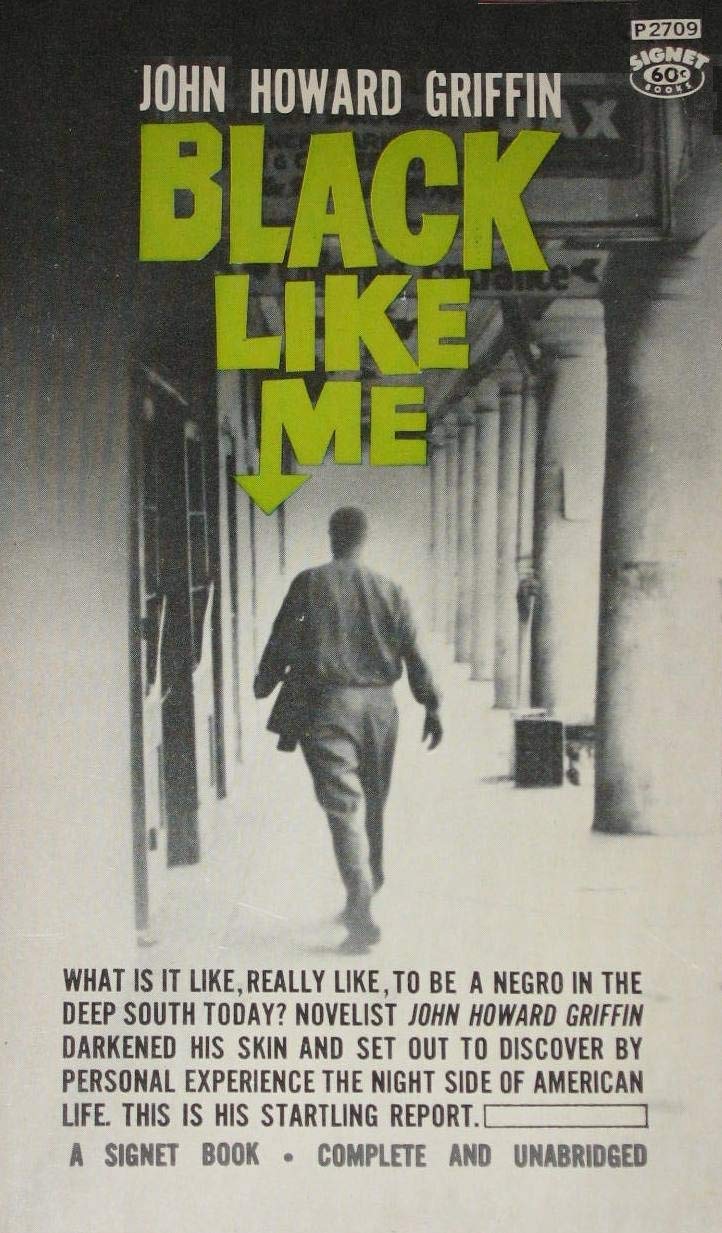
2. John Howard Griffin, Black Like Me. Yes, I know: if you want to know about black life in the South in the 1950s, why read a white guy? Mainly, it was because in the 1980s, when I was being home schooled by two well-educated New York parents who wanted me to learn about race prejudice in America, this is the book they knew about. Native Son and Invisible Man were not yet household names where I lived. And besides, with Griffin you can distinguish more easily between the way he is treated because of his skin color and the way he is treated because of his personality or the other person's; he knows how people treat him when he is white, and he can describe in detail the difference when people see him as black. And, of course, Griffin's is not the only voice in the book; there are also the black people he lives and works with.
.jpeg?w=1428&h=2114)
3. John Hope Franklin, Reconstruction: After the Civil War. Read this one in college; one of the first major attacks on the Dunning view of Reconstruction, by the foremost black historian of that day.
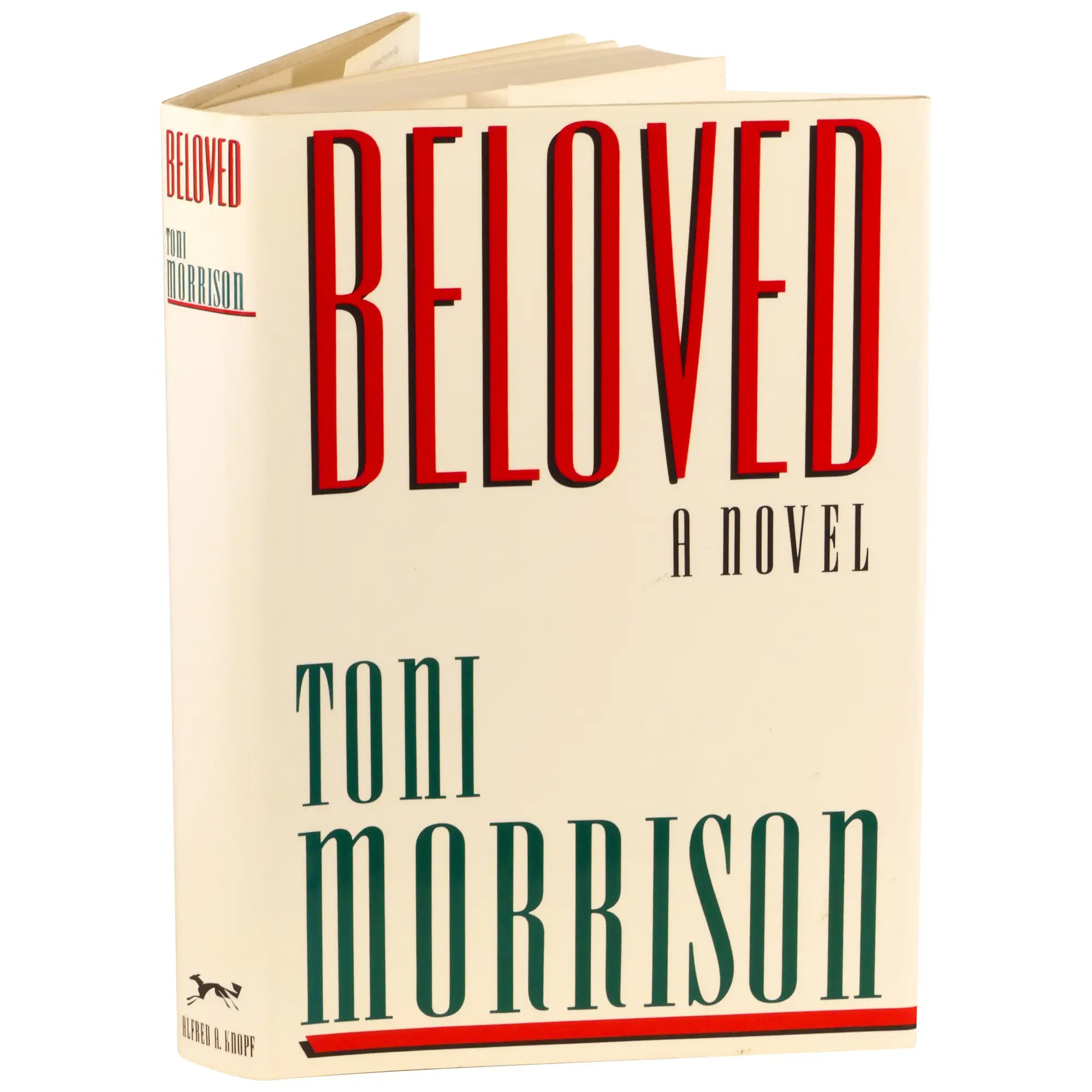
4. Beloved, by Toni Morrison. I have some problems with this one, mainly the ahistorical dedication and what seems to me a badly distorted view of male heterosexuality. But it is excellent as an examination of the (literally!) haunting effects of slavery on the survivors, and the empty spots that it left behind. And particularly well-judged is the relationship between the Sweethome slaves and the Garners. While Schoolteacher is simply a horrible person, who would have been bad no matter when or where he lived, the Garners are not inherently bad people, and yet life with them is still unbearable for Sethe and the Pauls. No one, no matter how inherently decent, can be a "good" slave master, as Morrison very skilfully shows.
Comment